Composite Bonding
Dental bonding is a procedure in which a tooth-coloured resin material (a durable plastic material) is applied and hardened with a special light, which ultimately “bonds” the material to the tooth to restore or improve a person’s smile.
£150 – £300 Per Tooth
How does it work?
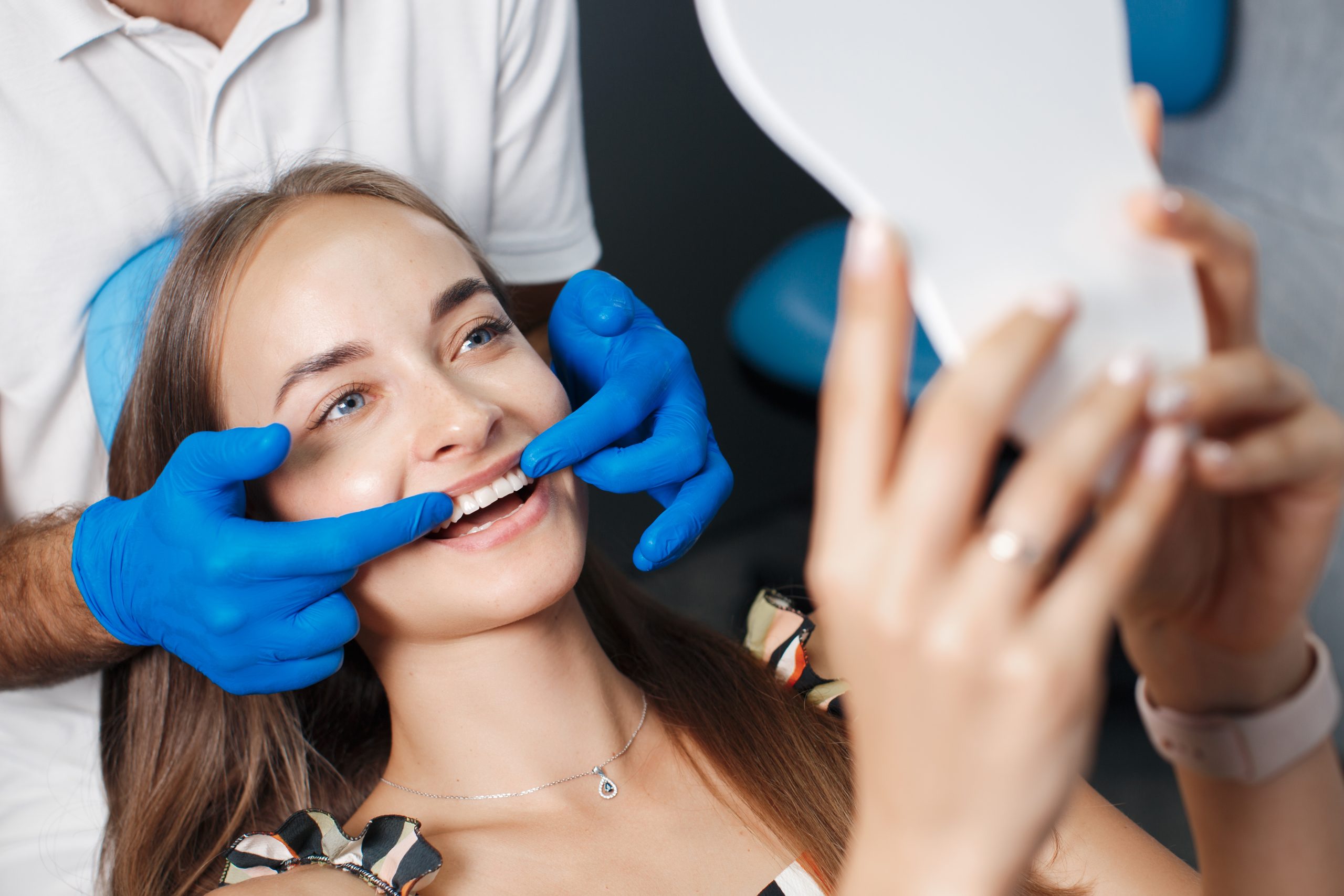
Composite bonding works ultimately to restore and improve your natural smile and is a solution for minor damage or gaps in teeth. The procedure is generally considered a cosmetic treatment, and it is a quick, affordable, and minimally invasive solution for a revived and natural-looking smile.
At Beaulieu Dental, our experienced team of dentists will discuss your condition and why Dental Composite Bonding may be the best solution for your smile. To learn more about this treatment and start your journey to a refreshed smile, get in touch with us today.
What is Composite Bonding?
Composite Bonding, (also known as dental bonding, or tooth bonding), is a versatile dental solution for minor damage or gaps in teeth. Typically, dental bonding is used for filling chips, fractures, and gaps in teeth or to fix discolouration of your natural teeth.
Using a tooth-coloured high-quality resin material, this is applied to a tooth and shaped to restore the tooth’s natural appearance, which is then hardened with a special light to bond the material to the tooth. As a painless and quick procedure, the solution leaves you with a natural-looking smile.
Is Composite Bonding for you?
Composite Bonding is a versatile dental solution which can transform your teeth and give you confidence in your new smile. Our dentists might recommend Composite Bonding as a solution for various different cases, including:
- To repair decayed teeth (Composite resins are used to fill cavities)
- To repair chipped or cracked teeth
- To close spaces between teeth
- To protect a portion of the tooth’s root which is exposed
Composite Bonding can also be a solution for minor cosmetic imperfections that you may wish to have changed, including:
- To improve the appearance of discoloured teeth
- To make teeth look longer
- To change the shape of teeth
- As a cosmetic alternative to amalgam fillings
What are the Benefits of Composite Dental Bonding?
Dental Bonding is one of the easiest and least expensive cosmetic dental solutions. Unlike veneers and crowns, which are customised tooth coverings that must be manufactured in a lab, Dental Bonding can usually be done in one dentist visit unless several teeth are involved. Advantages include:
Our dentists can take cosmetic improvements to your smile quickly and effectively
It is a versatile treatment that our dentists use to fix various cosmetic issues
The Composite is hardened as soon as it’s applied, which means the tooth can comfortably bite down on the same day as the appointment and there is no recovery time
Compared to Veneers and Crowns, Bonding is a non-invasive procedure with the least amount of tooth enamel removed
Regular brushing and maintaining a good oral hygiene routine will ensure the treatment lasts for years before requiring any polish or repair.
Ready to transform your smile?
Contact us today to discuss your dental needs.
How can Composite Bonding work with Teeth Whitening
As a versatile cosmetic solution, Composite Bonding can also be an effective solution for stained teeth and fillings. Composite Bonding also works well alongside Teeth Whitening treatments, as the composite resin can be shade-matched to your whitened teeth for a brighter smile.
Our dentists recommend starting whitening treatment first. Once your teeth are at a preferred shade, begin the Composite Bonding treatment so that the shade can be matched.

Before & After Results
See the amazing transformations our patients have achieved with our expert care and advanced treatments.
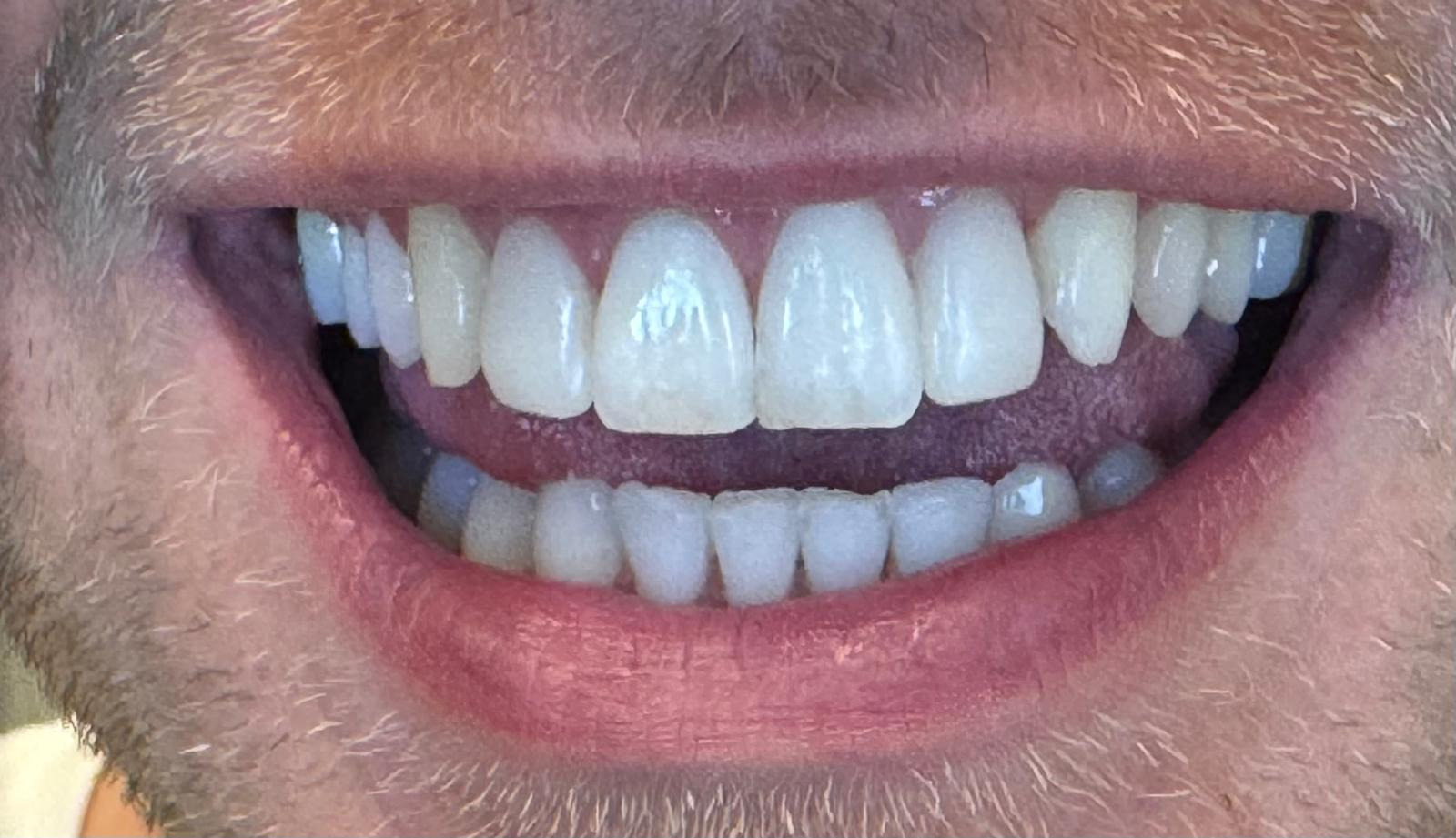
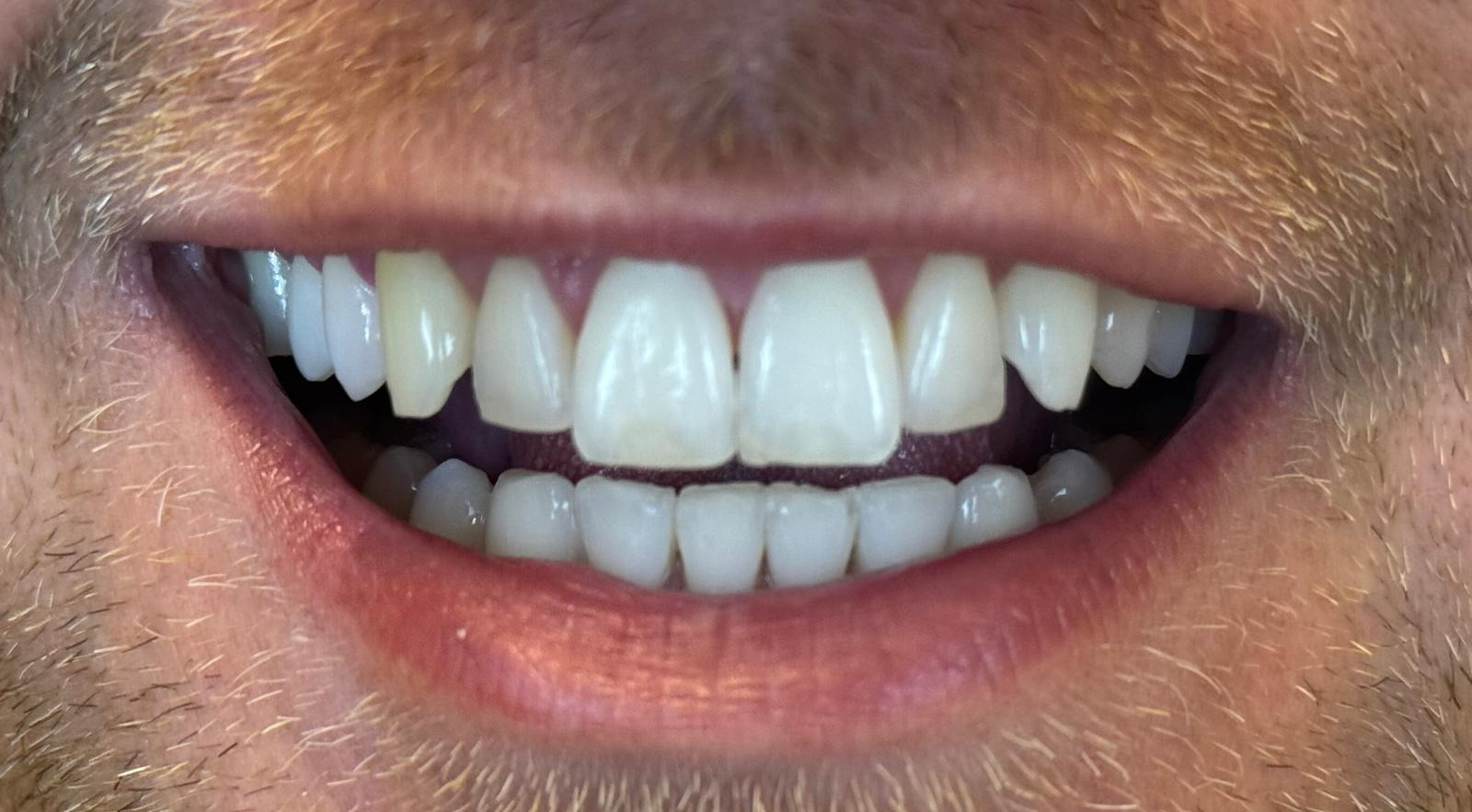
Whitening & Bonding
Enhancing teeth shape (incisors and laterals)
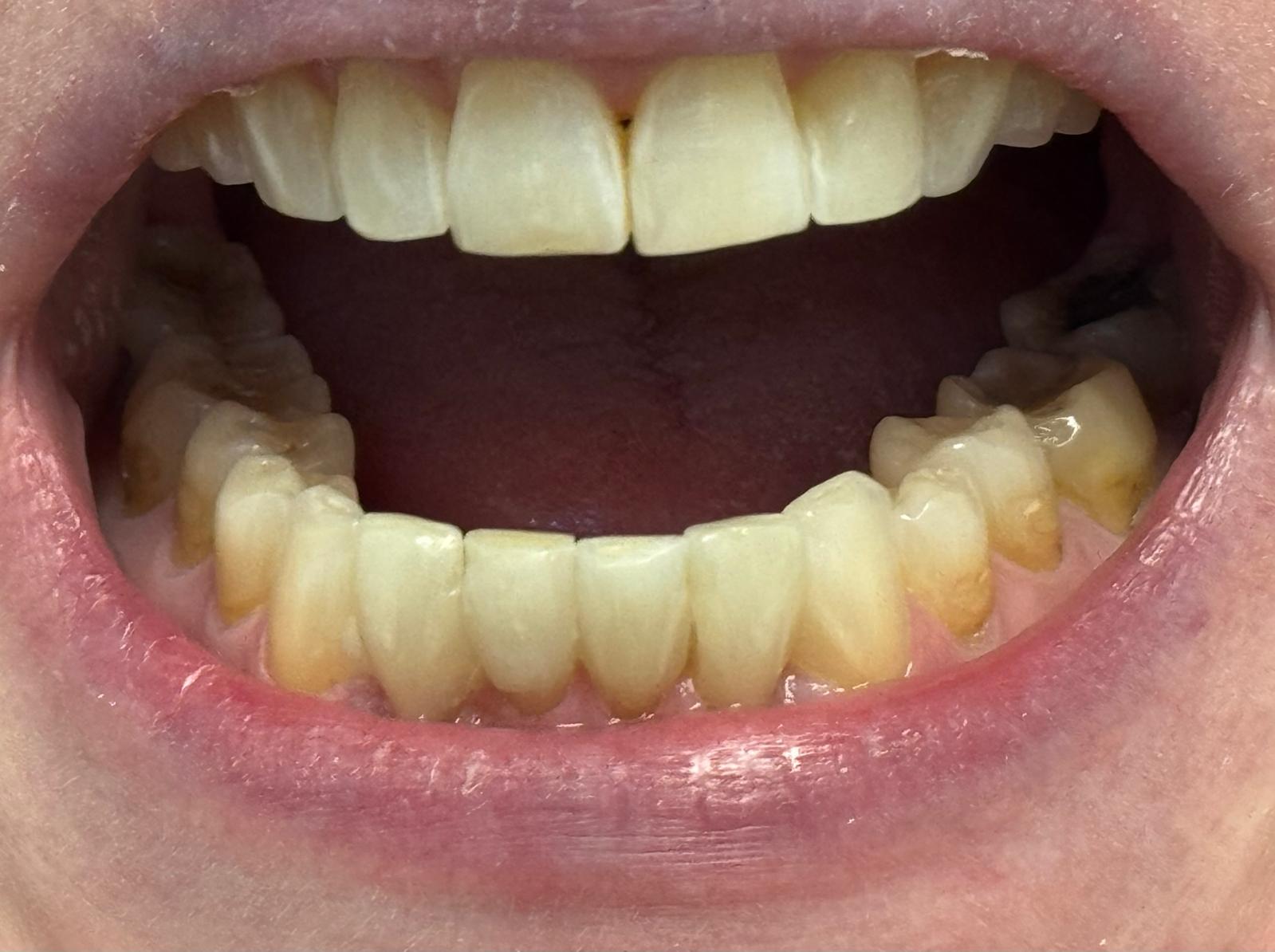
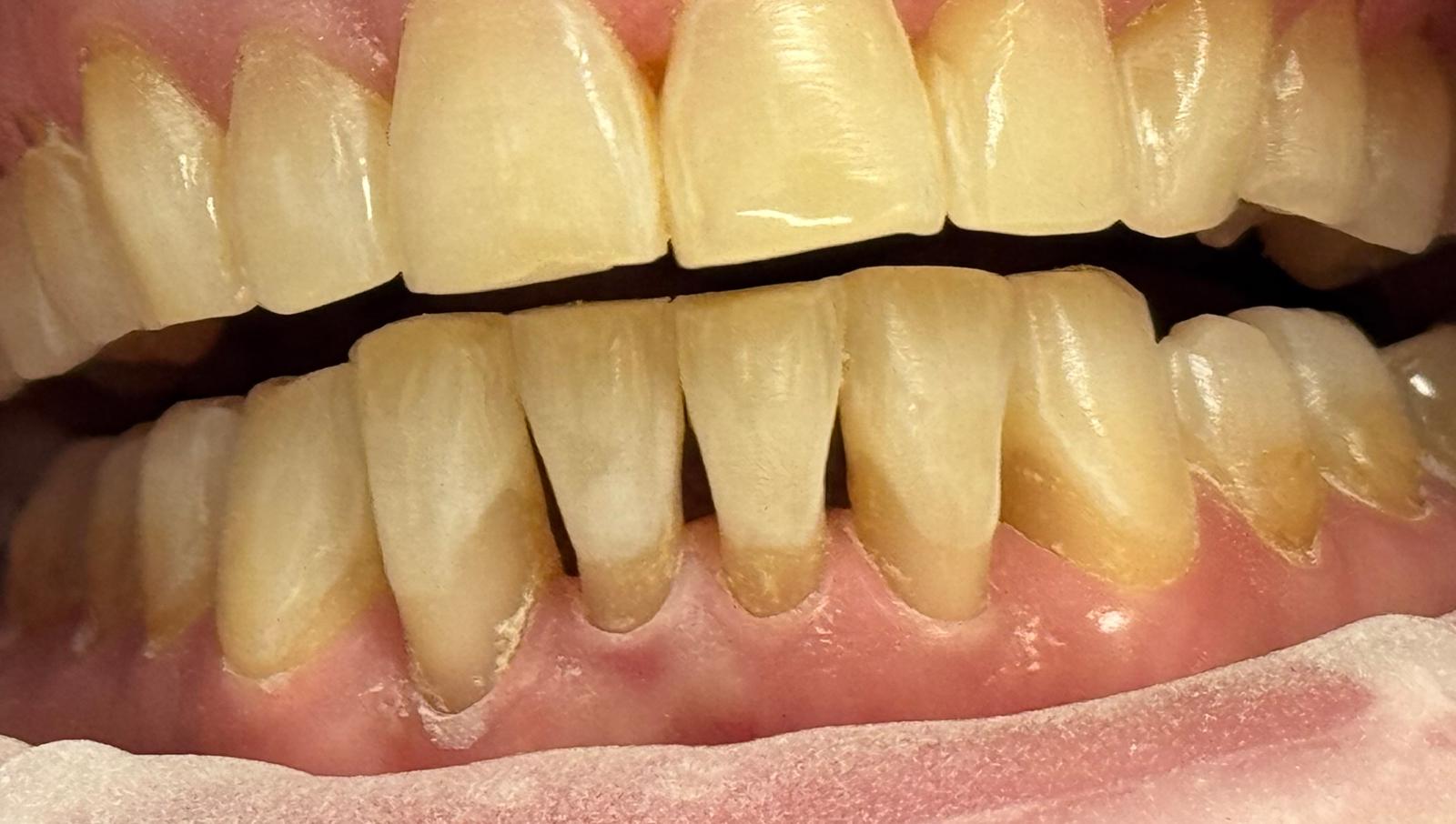
Closing Spaces
Composite bonding
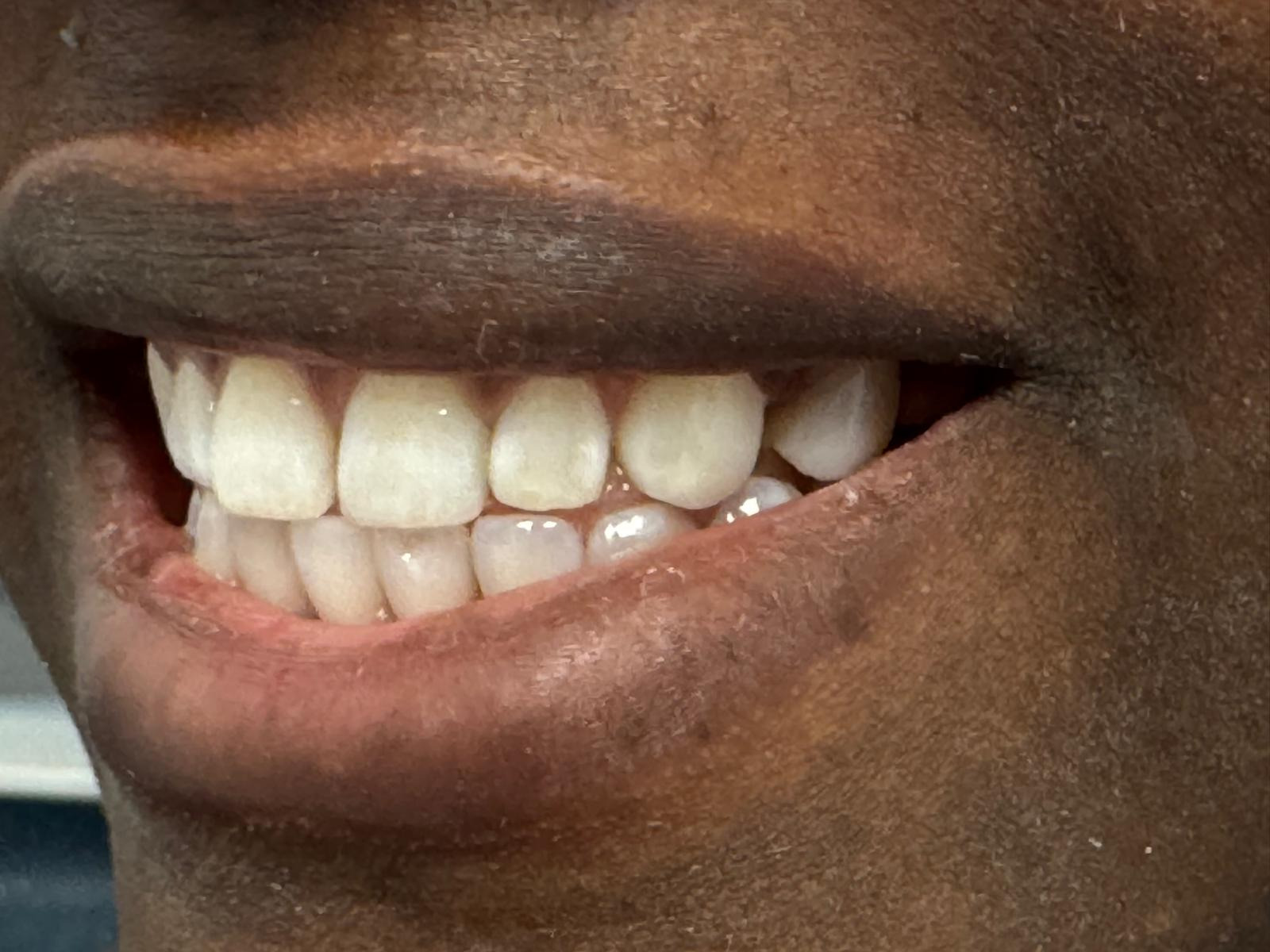
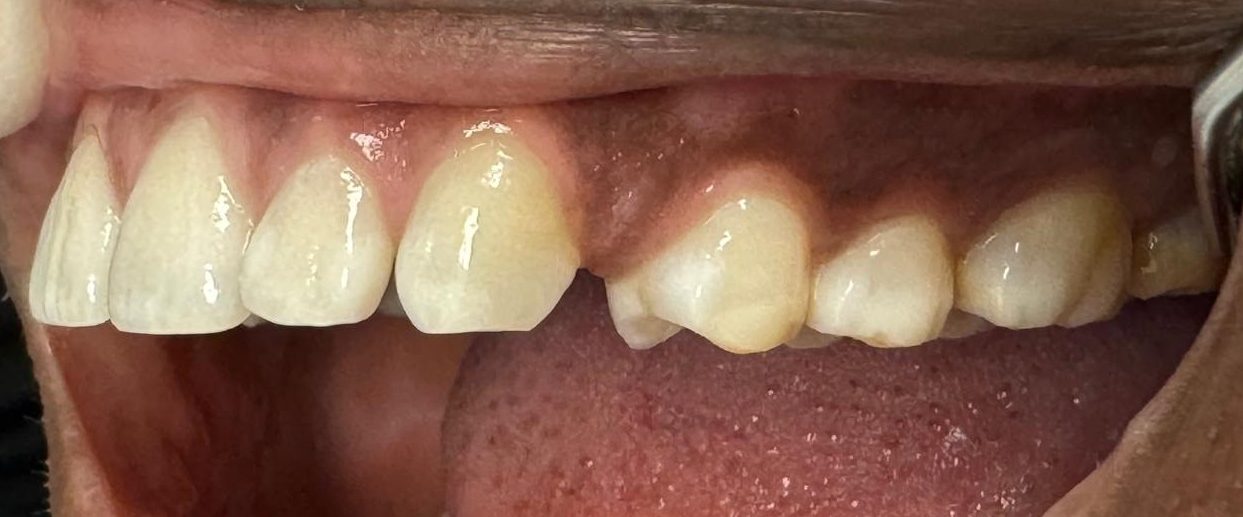
Space Closure Using Composite
This is the quick and easy method to close gaps
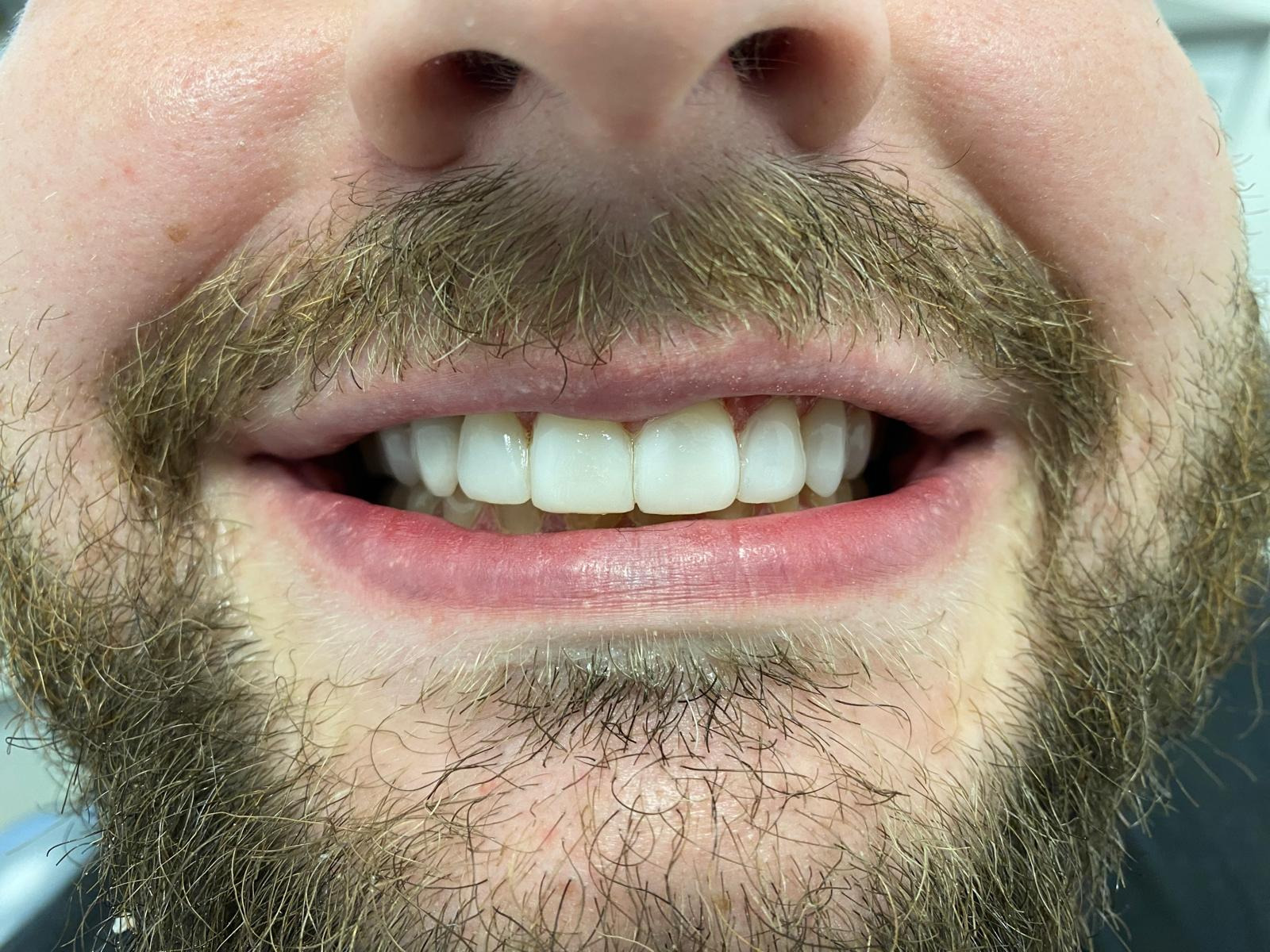
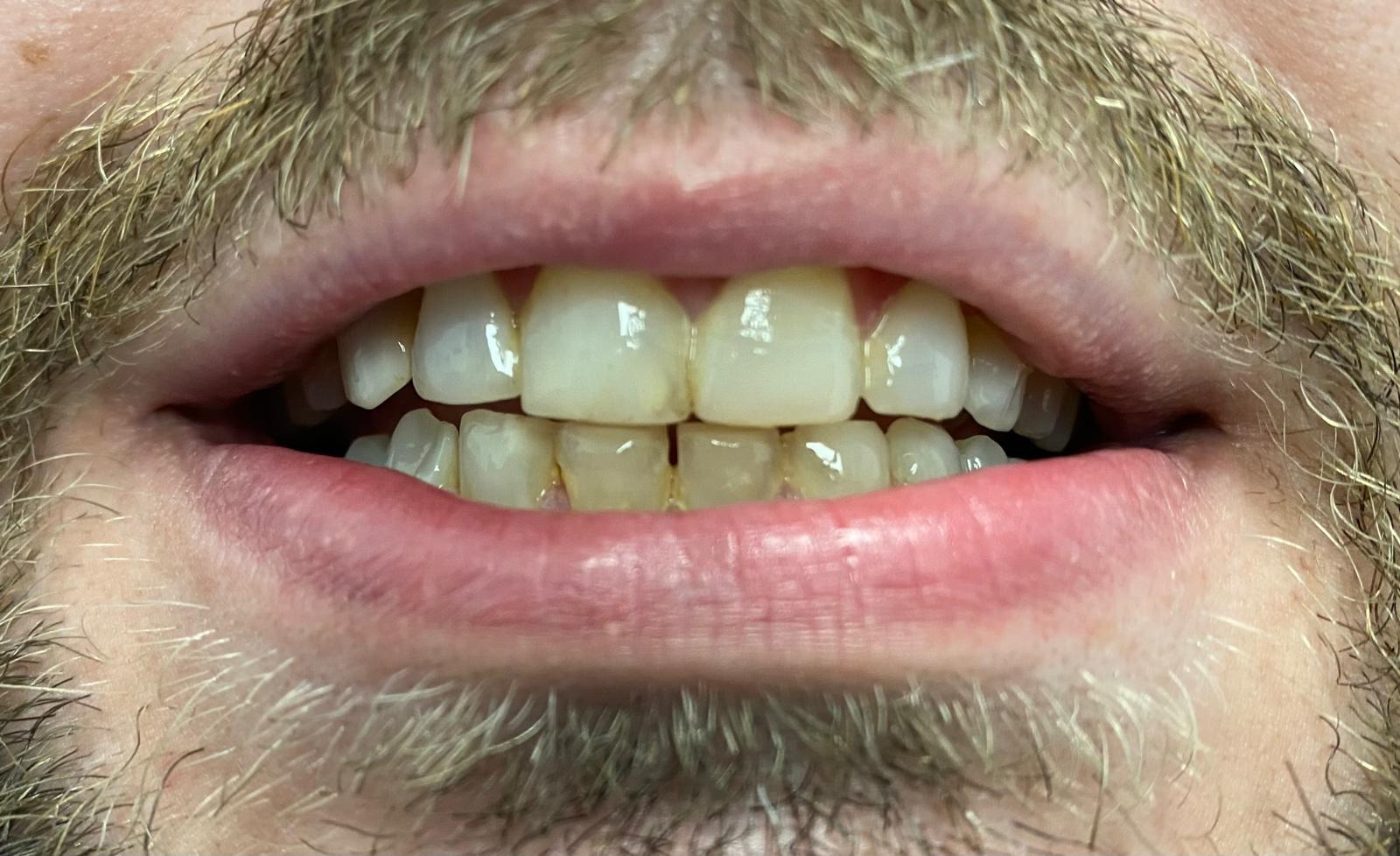
Smile Makeover
Simple steps including hygiene & Whitening and Bonding inspiring confident smile.
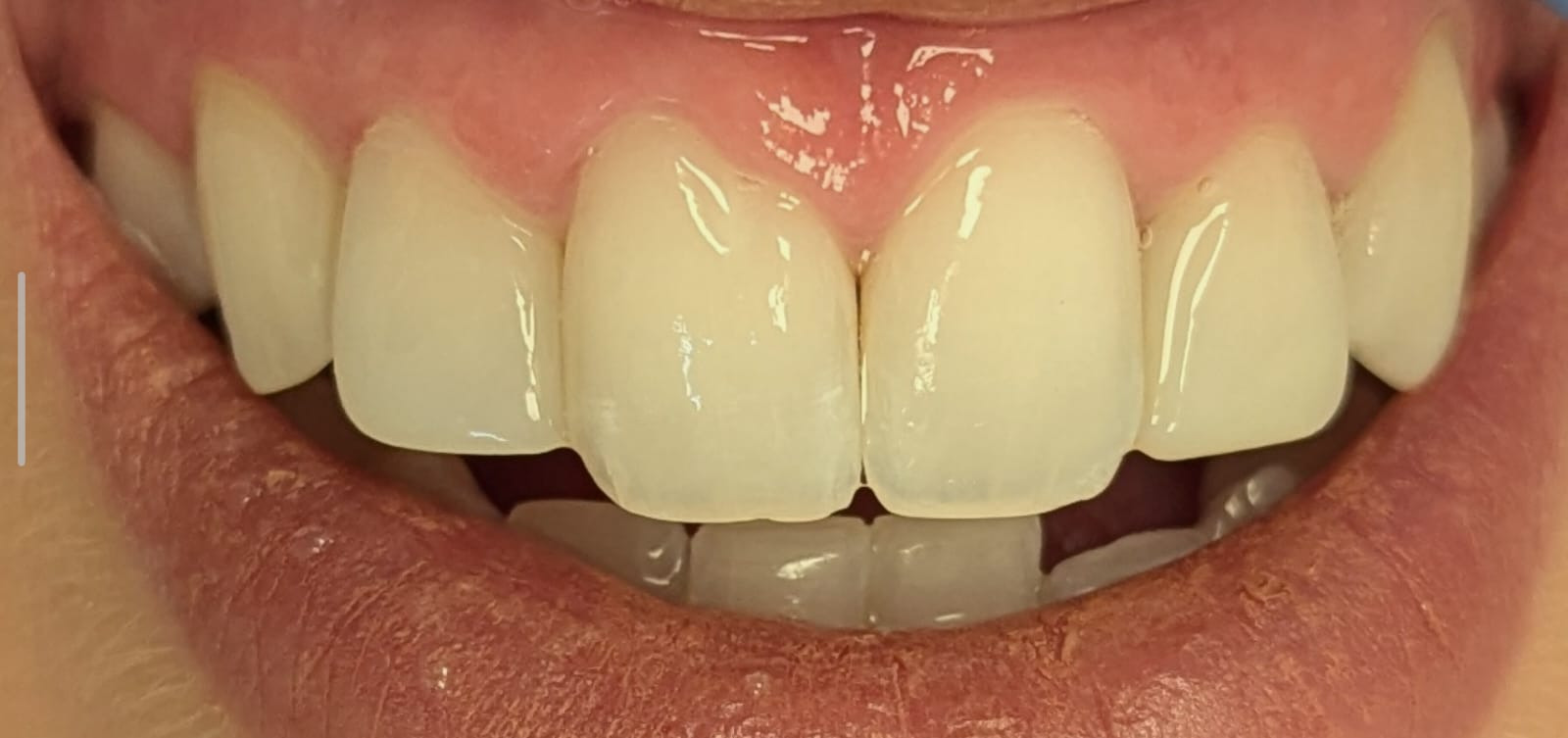
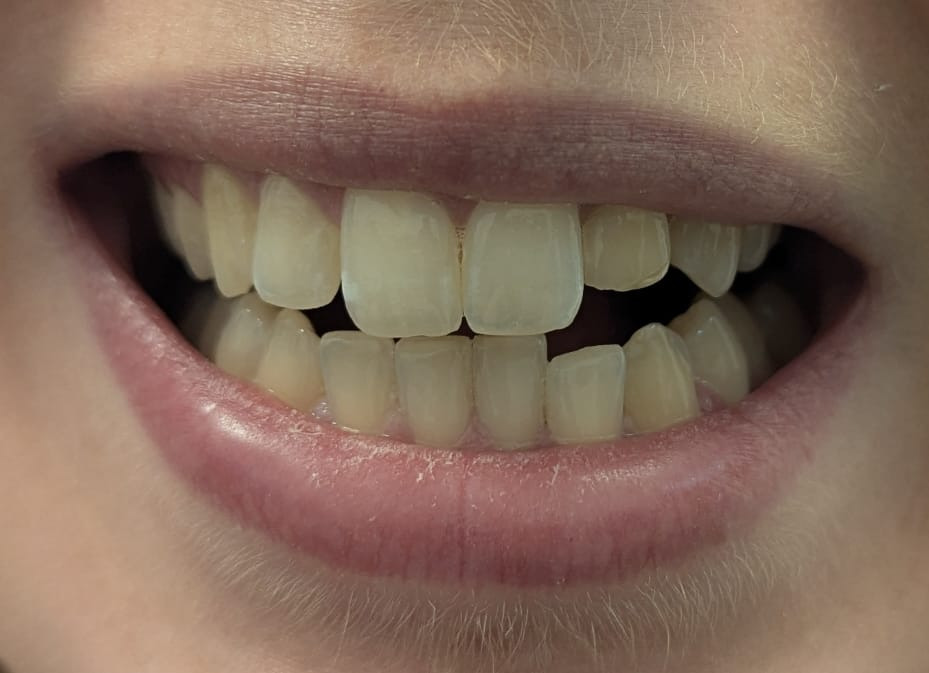
Whitening and Bonding
Upper lateral incisors built-up in symmetry
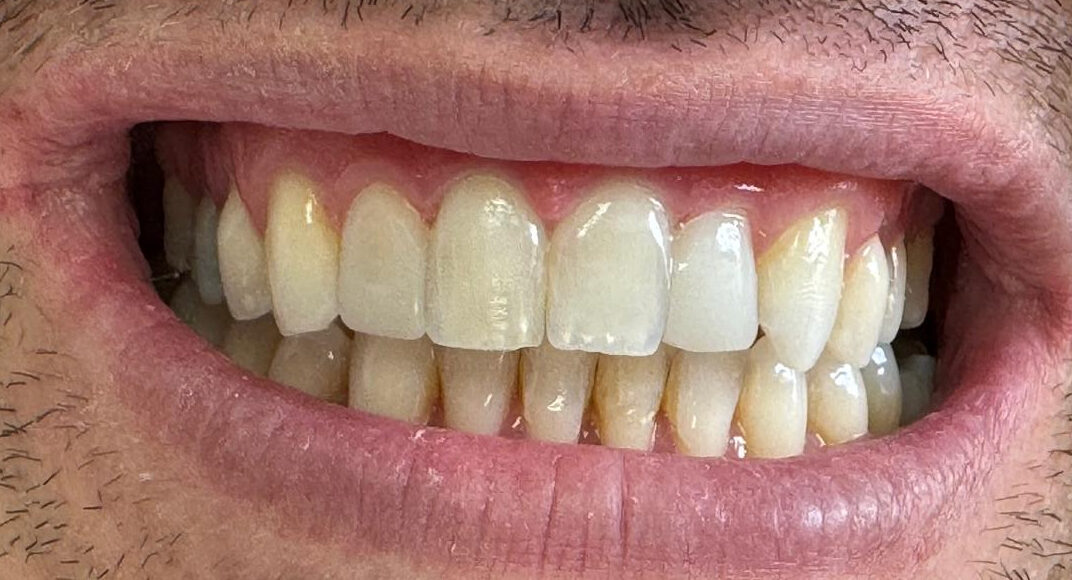
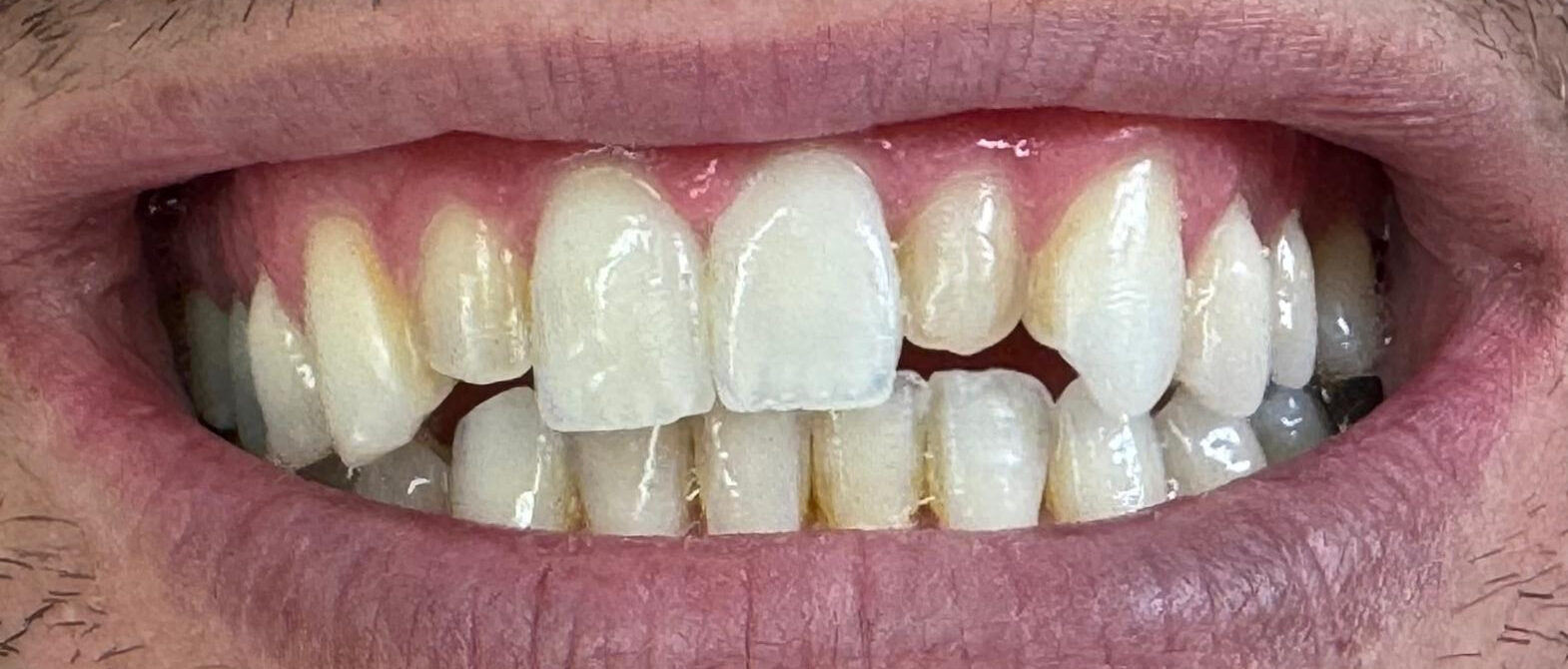
Align, Bleach, and Bond
This smile makeover case underwent a combination of orthodontic treatment, teeth whitening, and composite bonding.
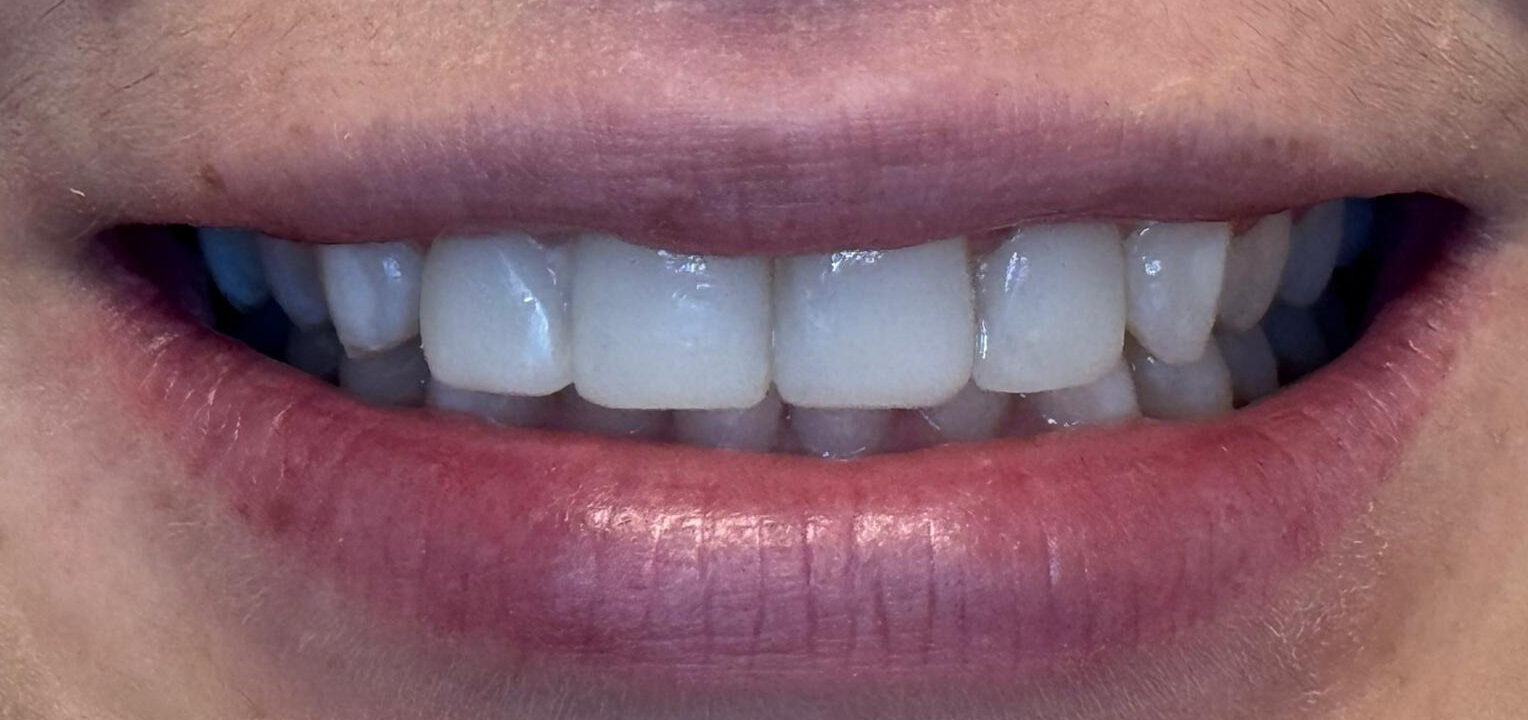
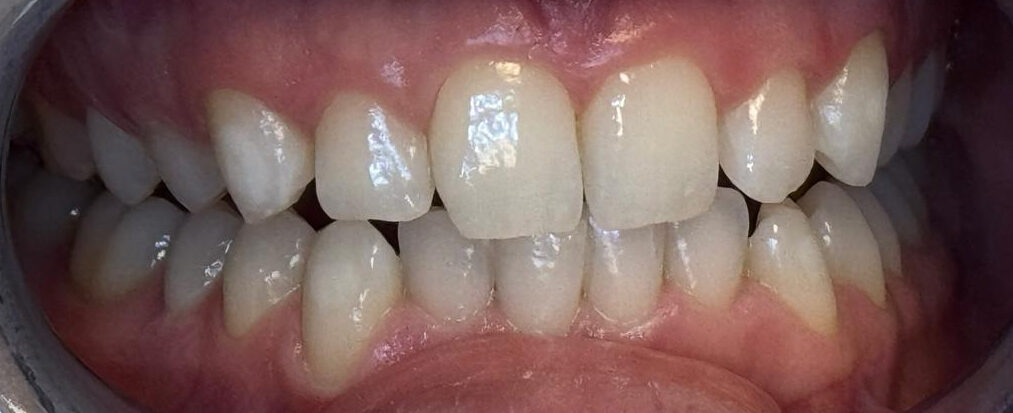
Cosmetic orthodontic and bonding
Teeth were aligned, whitened, then had composite bonding to enhance the shape and colour.
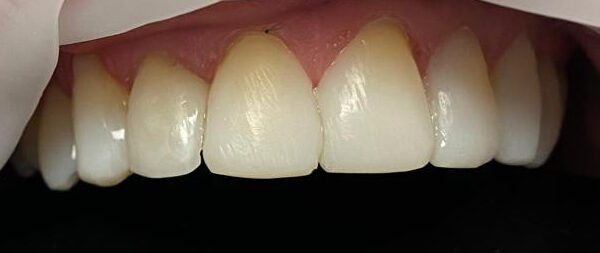
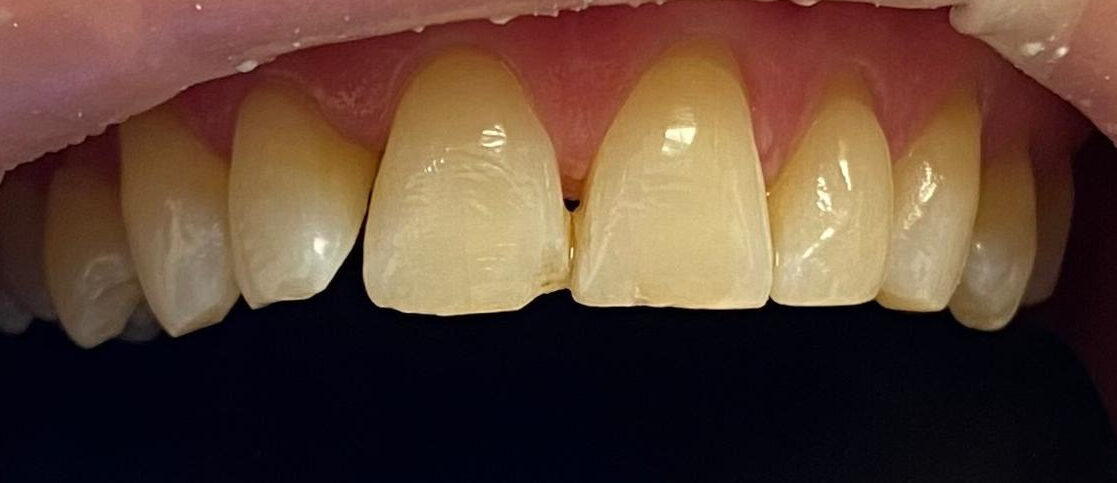
Treatment of toothwear using Composite Bonding
Chipping teeth worn down by grinding have been restored using composite. This method adds a layer of protection to the tooth structure.
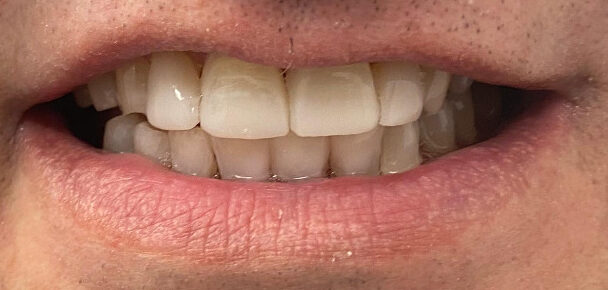
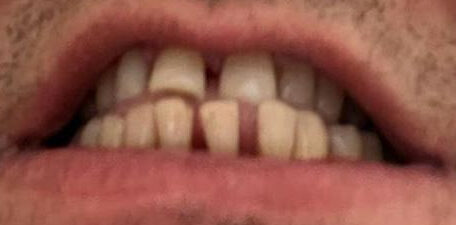
Space closures using composite bonding
Spaces closed using resin – increasing the width of each tooth individually and overall shape.
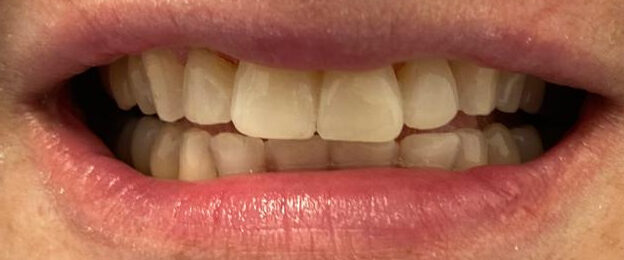
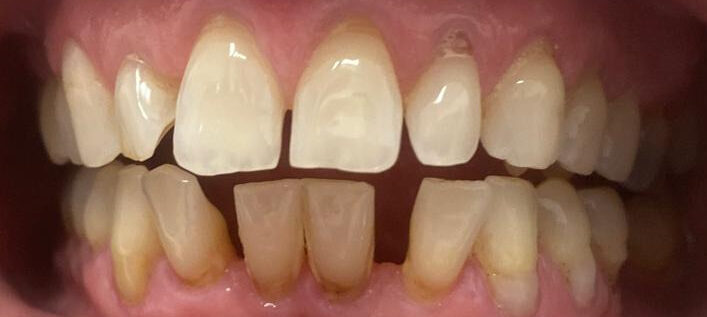
Space Closures
Composite resin used to close gaps between the teeth and cover areas of gum recession where roots were exposed.
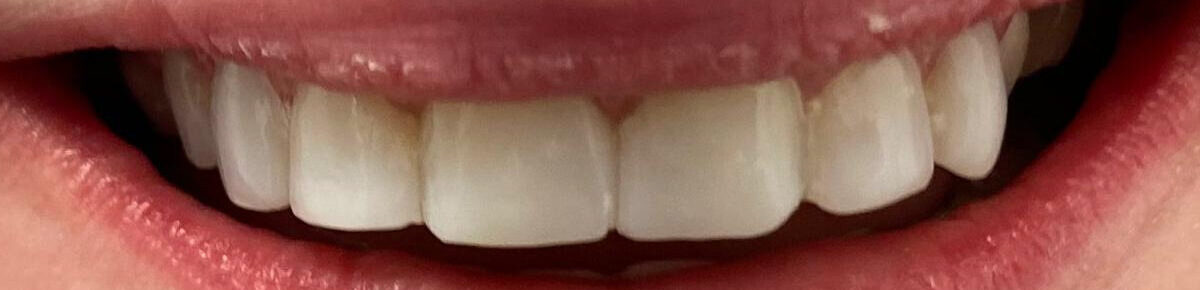
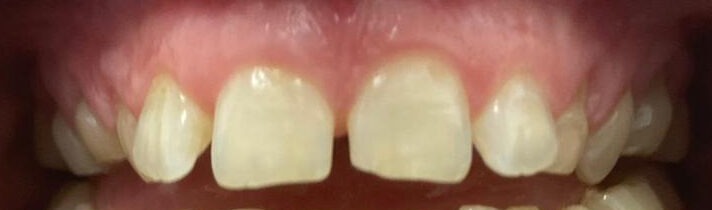
Excellent Smile Makeover
Effective whitening and bonding to reshape this smile.
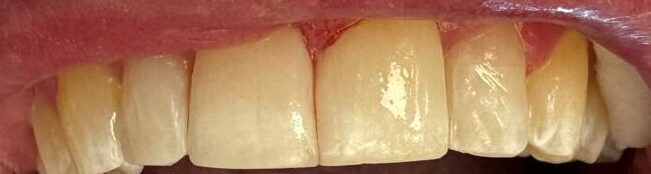
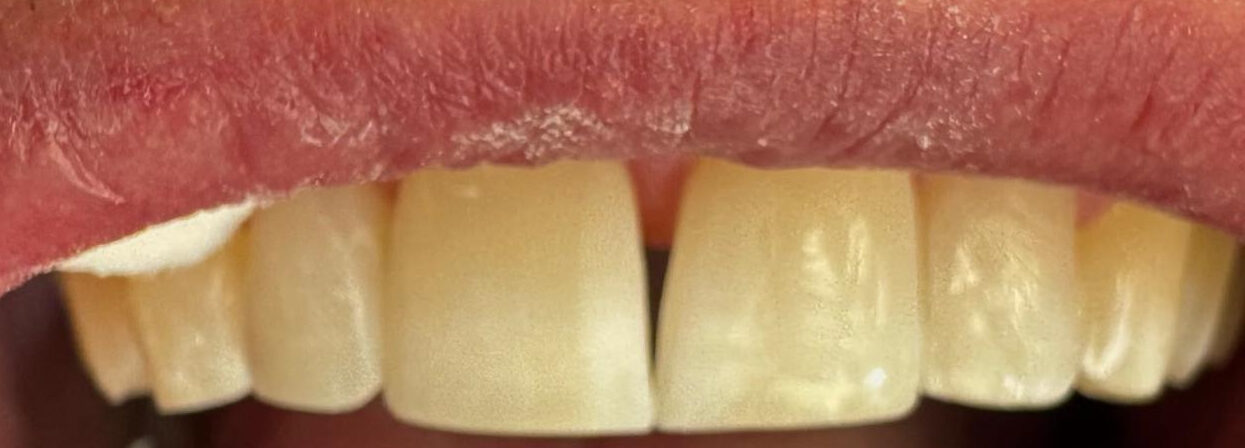
Smile Makeover
Closing black triangle between front teeth
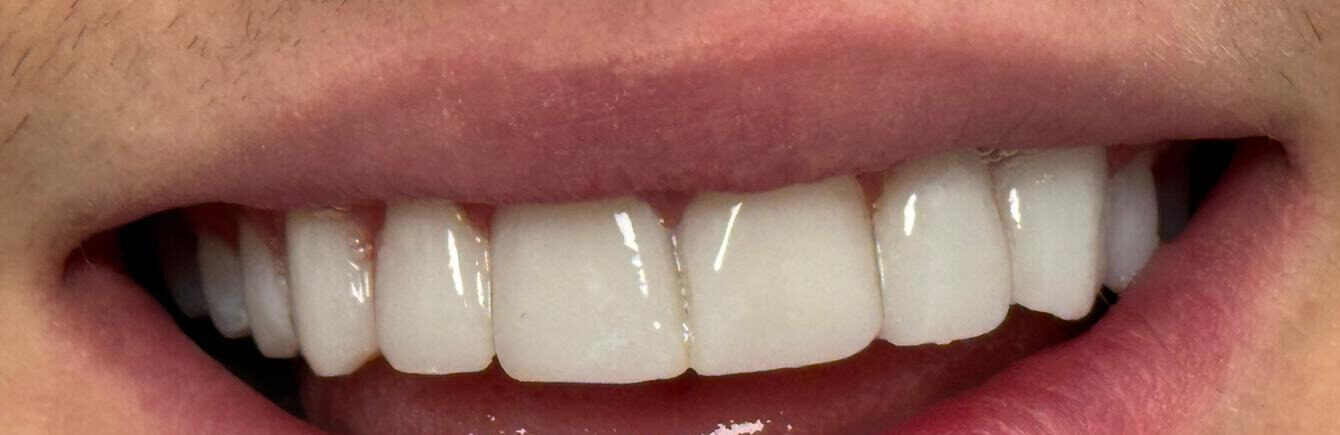
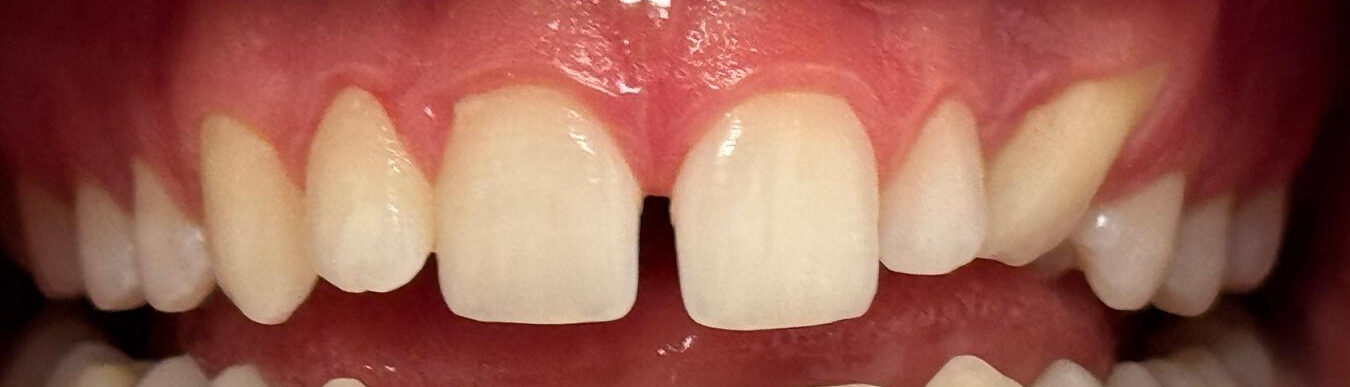
Smile Transformation
Composite used to rearrange the shape of teeth to the ideal smile design
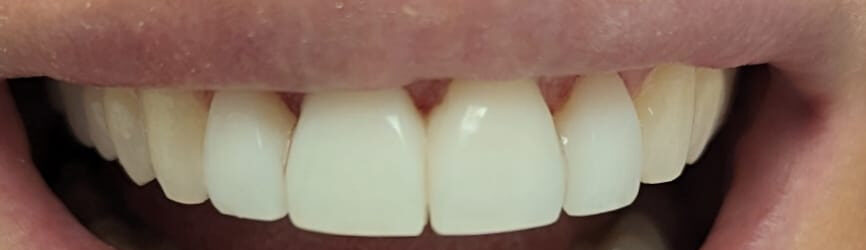
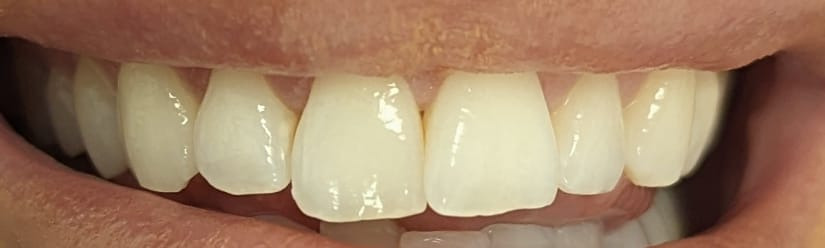
Front teeth composites
Teeth front surfaces were levelled using composite resin – fast and effective method to smile makover
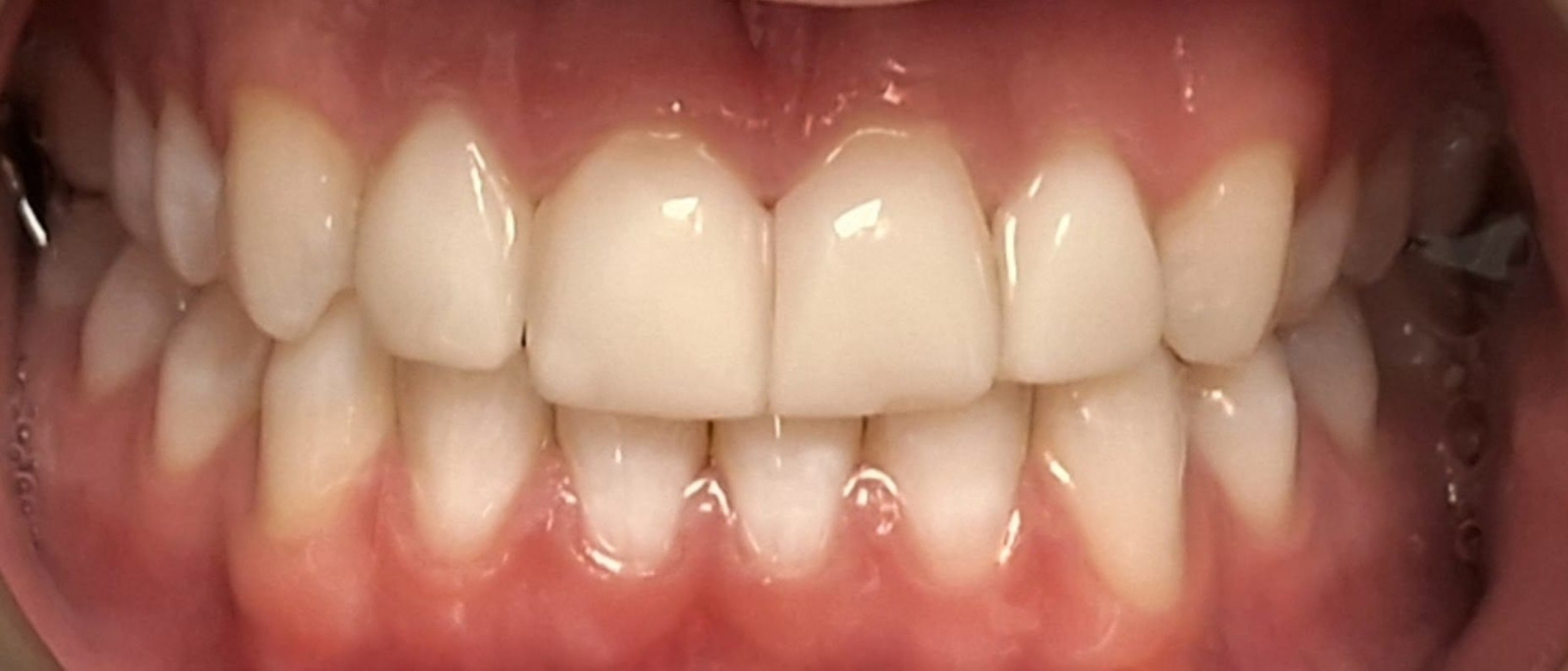
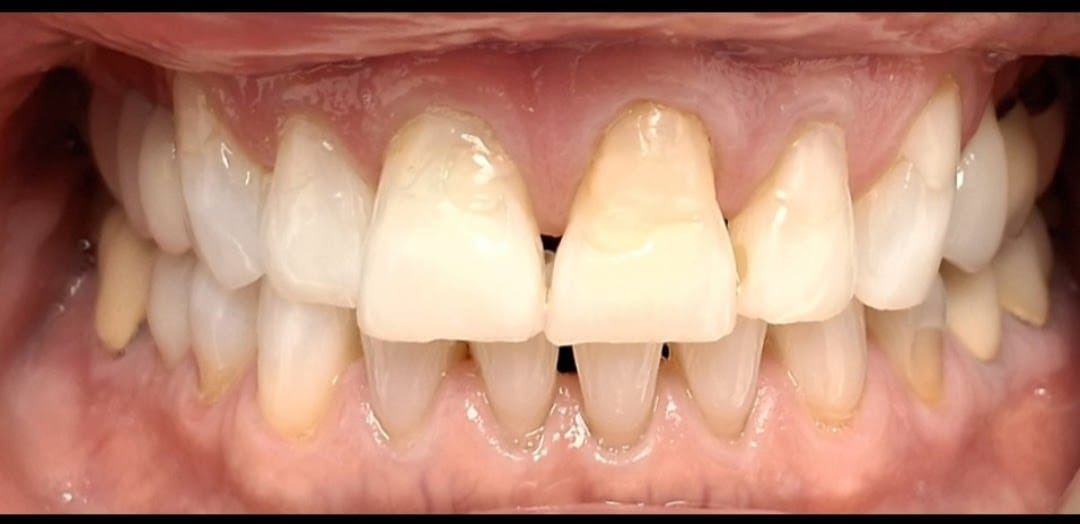
Whitening + Composite
Teeth were whitened using professional home whitening kit then bonded with composite

Frequently Asked Questions
Dental bonding is an option that can be considered:
- To repair decayed teeth (composite resins are used to fill cavities)
- To repair chipped or cracked teeth
- To improve the appearance of discoloured teeth
- To close spaces between teeth
- To make teeth look longer
- To change the shape of teeth
- As a cosmetic alternative to amalgam fillings
- To protect a portion of the tooth’s root that has been exposed when gums recede
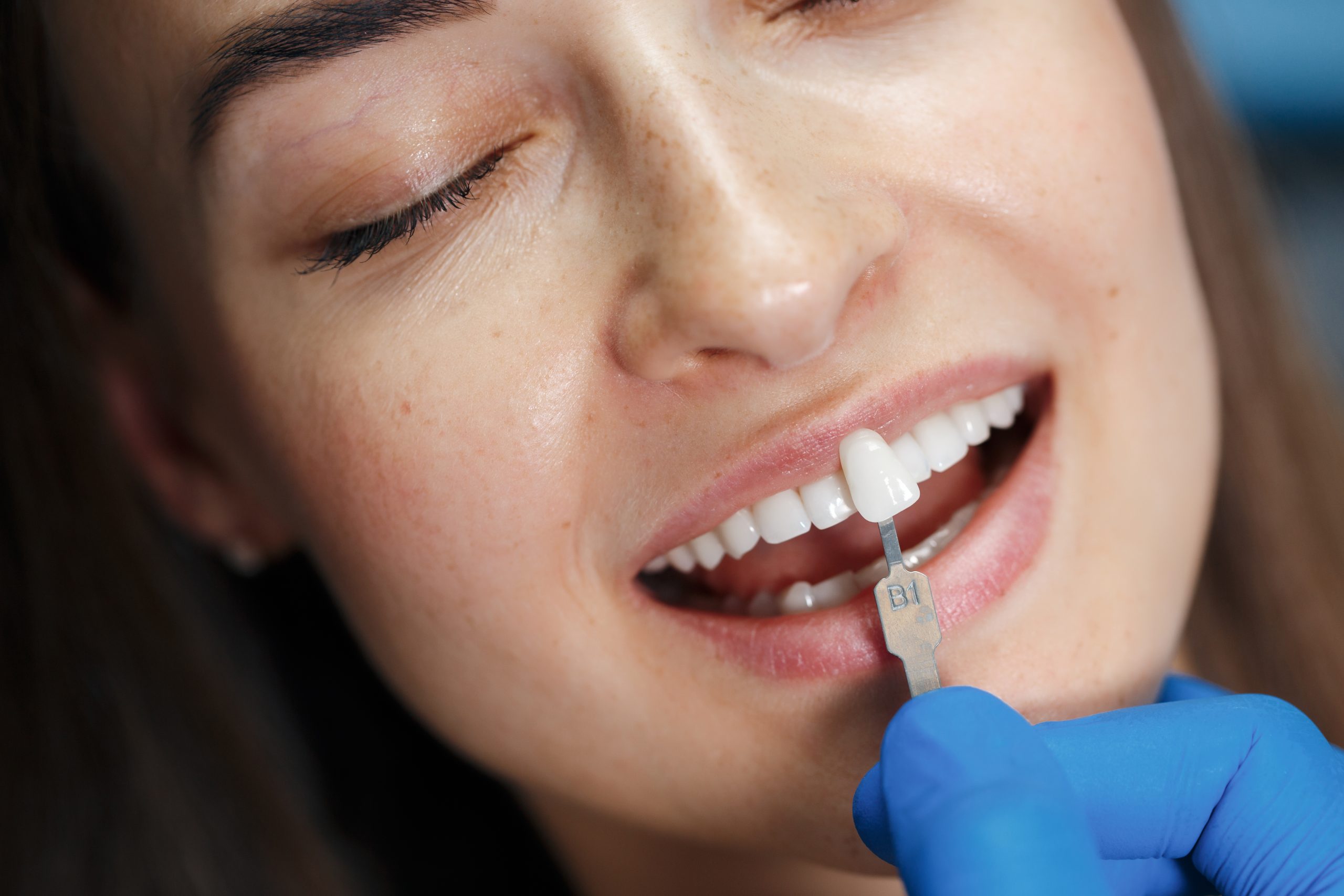
Preparation: Little advance preparation is needed for dental bonding. Anaesthesia is often not necessary unless the bonding is being used to fill a decayed tooth, the tooth needs to be drilled to change its shape, or the chip is near the nerve. Your dentist will use a shade guide to select a composite resin colour that will closely match the colour of your tooth.
The bonding process: Next, the surface of the tooth will be roughened and a conditioning liquid applied. These procedures help the bonding material adhere to the tooth. The tooth-coloured, putty-like resin is then applied, moulded, and smoothed to the desired shape. A bright, usually blue, light, or laser is then used to harden the material. After the material is hardened, your dentist will further trim and shape it, and polish it to match the sheen of the rest of the tooth surface.
Time-to-completion: Dental bonding takes about 10 to 15 minutes per tooth to complete.
Advantages: Dental bonding is among the easiest and least expensive of cosmetic dental procedures. Unlike veneers and crowns, which are customized tooth coverings that must be manufactured in a lab, bonding usually can be done in one office visit unless several teeth are involved. Another advantage, compared with veneers and crowns, is that the least amount of tooth enamel is removed. Also, unless dental bonding is being performed to fill a cavity, anaesthesia is usually not required.
Disadvantages: Although the material used in dental bonding is somewhat stain resistant, it does not resist stains as well as crowns. Another disadvantage is that the bonding materials do not last as long nor are as strong as other restorative procedures, such as crowns, veneers, or fillings. Additionally, bonding materials can chip and break off the tooth.
Because of some of the limitations of dental bonding, some dentists view it as best suited for small cosmetic changes, for temporary correction of cosmetic defects, and for correction of teeth in areas of very low bite pressure (for example, front teeth). Consult with your dentist about the best cosmetic approach for your particular problem.
Bonded teeth do not require special care. Simply follow good oral hygiene practices. Brush teeth at least twice a day and floss at least once a day.
Because bonding material can chip, it is important to avoid such habits as biting fingernails; chewing on pens, ice, or other hard food objects; or using your bonded teeth as an opener. If you do notice any sharp edges on a bonded tooth or if your tooth feels odd when you bite down, call your dentist.