
Root Canal Treatment
Root canal treatment helps preserve your natural tooth and prevent the need for extraction. The procedure relieves pain, removes infection, and restores the tooth’s function, allowing you to chew and smile comfortably again. After the root canal, your dentist may recommend placing a crown to strengthen and protect the treated tooth for long-term durability.
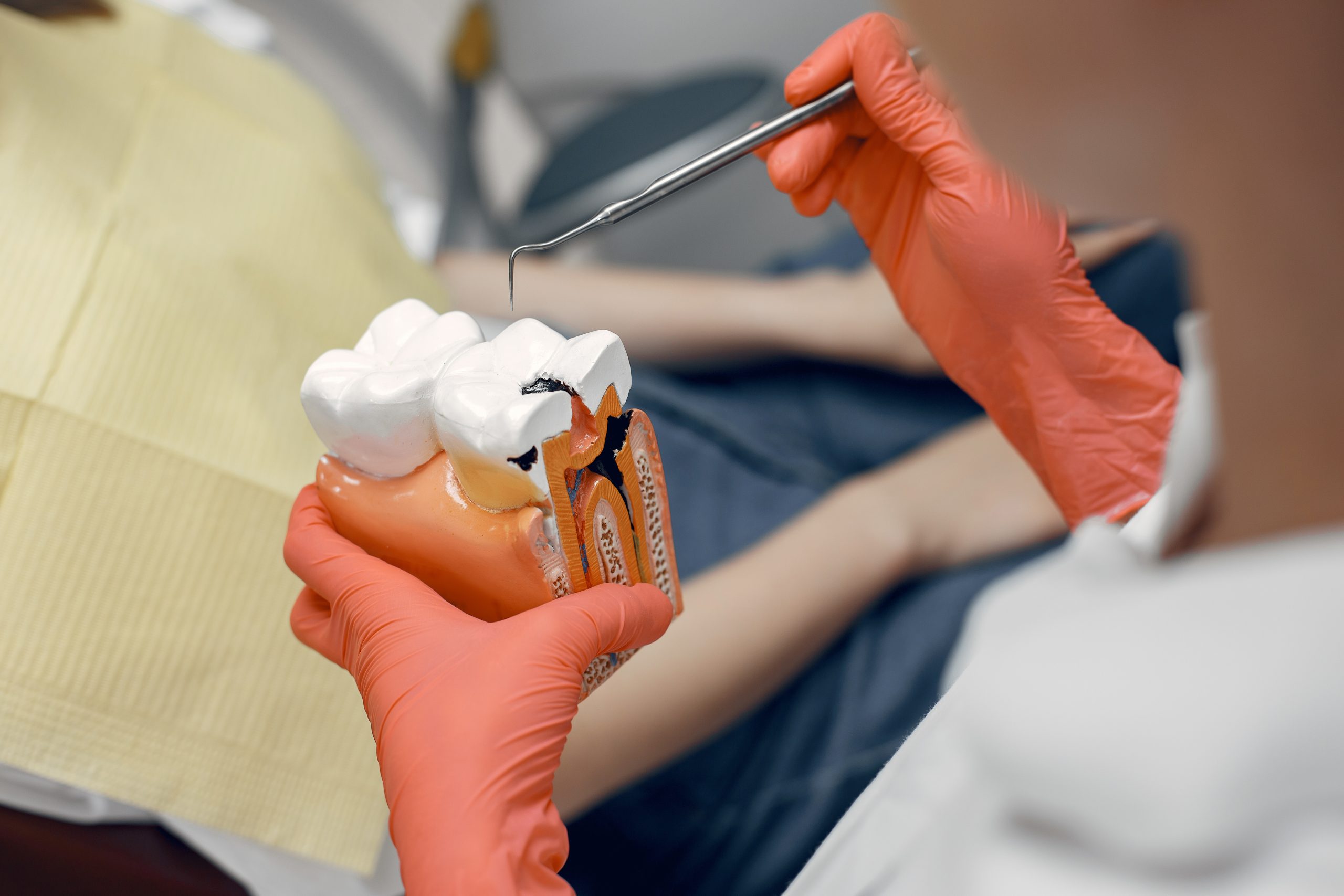
Root canal Treatment
A root canal is a precise treatment that saves a tooth damaged by deep decay, infection, or injury. The procedure involves removing the infected pulp, cleaning and sealing the inside of the tooth to prevent further issues. This relieves pain and preserves your natural tooth, avoiding extraction.
Treatment may take one or more visits, depending on complexity, and the tooth is usually restored with a crown for strength and durability. Thanks to modern techniques and local anaesthetic, root canal therapy is comfortable, effective, and offers long-lasting results.

Frequently Asked Questions
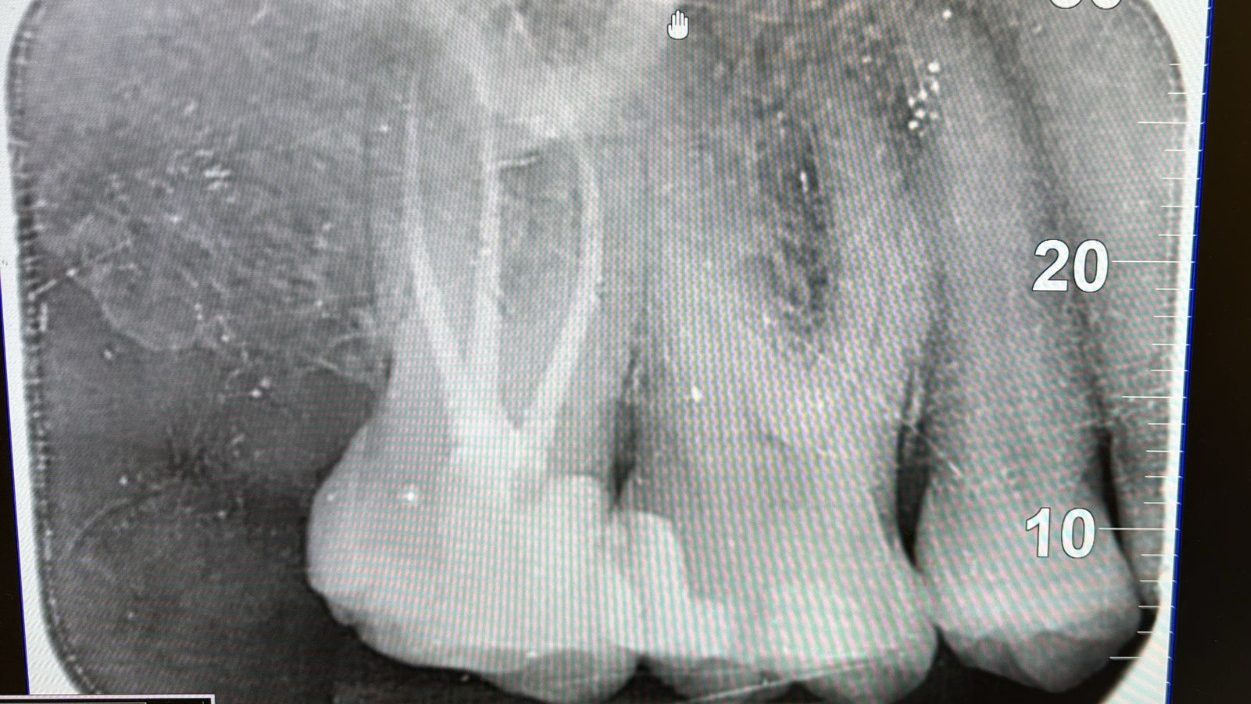
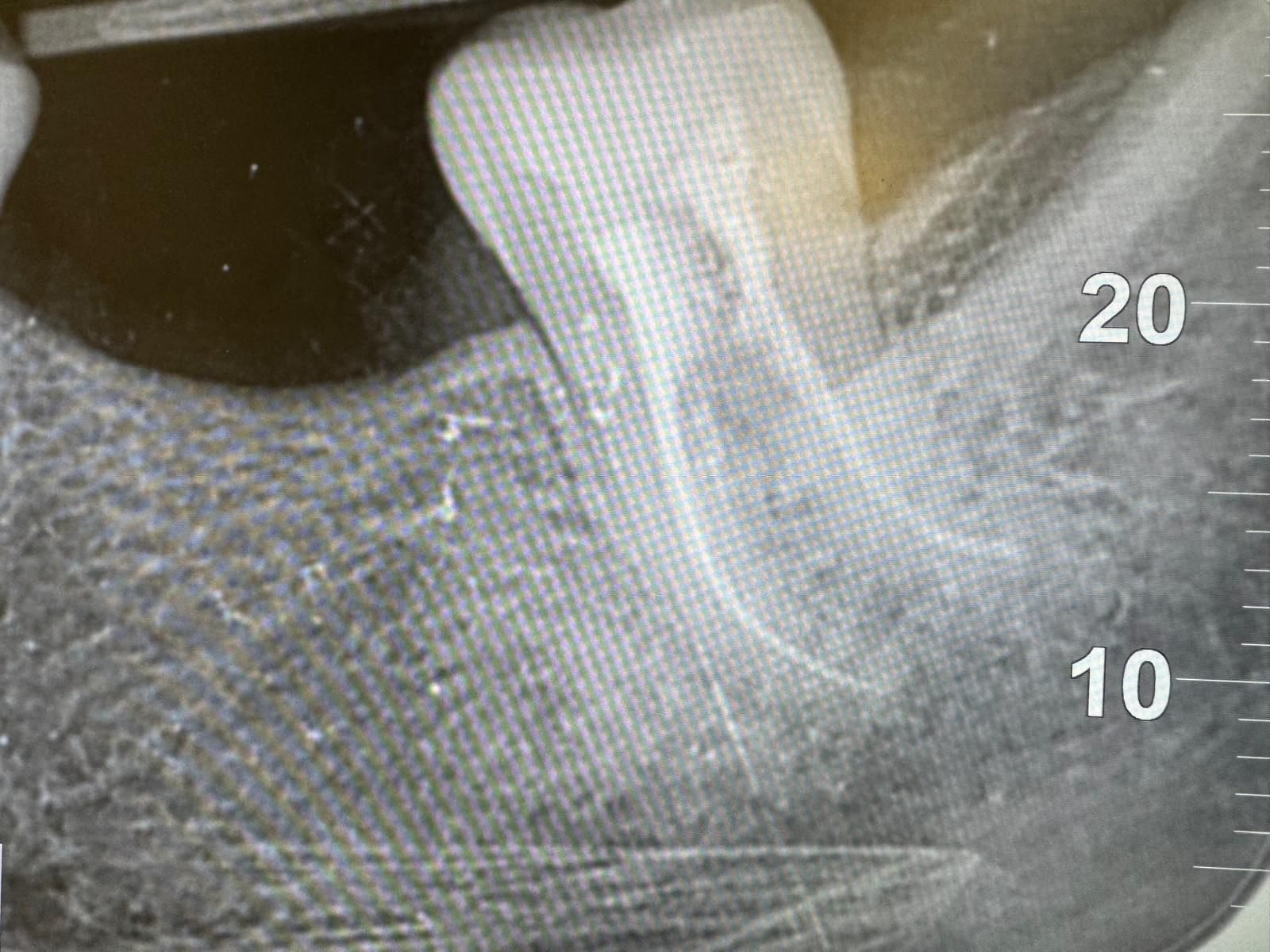
Before having root canal treatment, we may take a series of X-rays of the affected tooth.
This allows us to build up a clear picture of the root canal and assess the extent of any damage.
Root canal treatment is usually carried out under local anaesthetic, which numbs the affected tooth and surrounding area to keep you comfortable during the procedure.
In some cases where the tooth has died and is no longer sensitive, it may not be necessary to use a local anaesthetic.
Removing the pulp
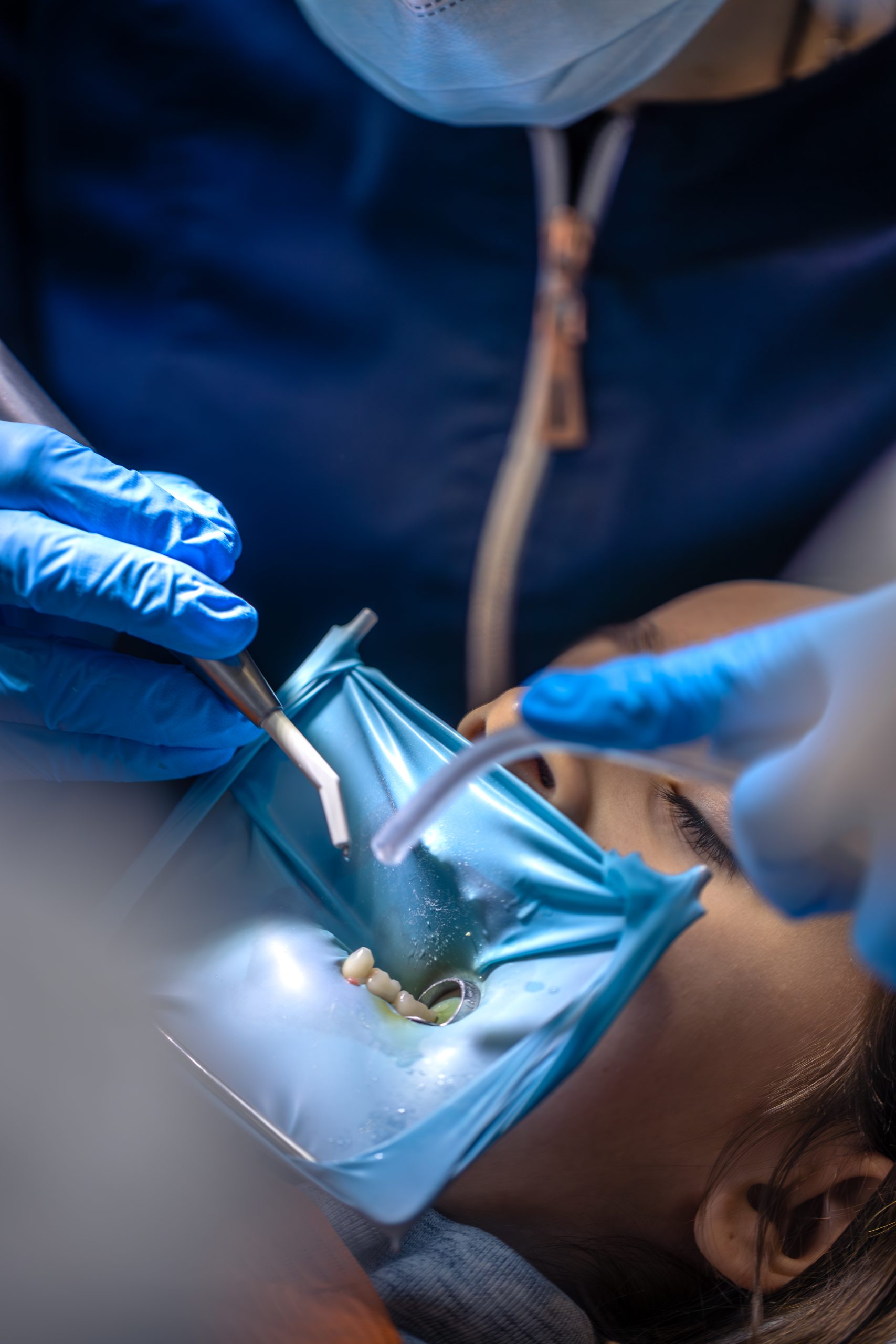
We will place a rubber sheet (dam) around the tooth to ensure it’s dry during treatment.
The dam also prevents you swallowing or breathing in any chemicals during the procedure.
We will open your tooth through the crown, the flat part at the top, to access the soft tissue at the centre of the tooth (pulp). We will then remove any infected pulp that remains.
If you have a dental abscess, which is a pus-filled swelling, we will be able to drain it at the same time.
Cleaning and filling the root canal
After the pulp has been removed, we will clean and enlarge the root canal.
The root canal is usually very narrow, which makes it difficult to fill.
We will use a series of small files to enlarge the canals and make them a regular shape so they can be filled.
This part of the treatment may take several hours, and may need to be carried out over a number of visits.
Your front incisor and canine teeth (biting teeth) usually have a single root containing 1 root canal.
The premolars and back molar teeth (chewing teeth) have 2 or 3 roots, each containing either 1 or 2 root canals.
The more roots a tooth has, the longer the treatment will take to complete.
If the treatment needs to be carried out over several sessions, we may put a small amount of medicine in the cleaned canal in between visits to kill any remaining bacteria.
The tooth will then be sealed using a temporary filling.
If you have symptoms from the infection, such as a raised temperature or large swelling, you may be given antibiotics to help manage and prevent further infection.
Sealing and fixing the tooth
At your next visit, the temporary filling and medicine within the tooth is removed and the root canal filling will be inserted.
This, along with a filling, seals the tooth and prevents reinfection.
Root-filled teeth are more likely to break than healthy unrestored teeth, we may suggest placing a crown on the tooth to protect it.
In some cases a root-filled tooth may darken, particularly if it’s died as a result of injury like a knock to the tooth.
There are several ways that we can treat discolouration, such as whitening the tooth using chemicals.
Adding a crown
A crown is a cap that completely covers a real tooth. It might be necessary to use a crown after root canal treatment to prevent the tooth fracturing.
Crowns can be made from:
• Metal or porcelain (or both)
• A ceramic material
• Powdered glass
During the treatment, we will reduce the size of your tooth and use the crown to replace what’s removed.
A mould of your tooth will be taken to ensure the crown is the right shape and size, and fits your tooth accurately.
When fitting the crown, cement will be used to glue the crown to the trimmed-down tooth.
If there’s only a small amount of tooth left after the root canal treatment, a post can be cemented in the root canal and used to help keep the crown in place.
Root canal treatment is usually successful at saving the tooth and clearing the infection.
Around 9 out of 10 root-treated teeth survive for 8 to 10 years.
Having a crown fitted to the tooth after root canal treatment is important for improving tooth survival rates.
If you keep your teeth clean, your treated tooth should survive for a long time.
The survival of your tooth depends on a number of factors, including:
• How much of the natural tooth remains
• How well you keep your teeth clean
• The biting forces on the tooth
But if an infection does return, the root canal treatment can be repeated.
Or if treatment has already been carried out to a high standard and the infection remains, a small operation to remove the root tip (an apicectomy) may be carried out to treat the infection.
Price List (Subject to complexity)
| Description | Price |
|---|---|
| Single Canal | From £450 |
| Premolars | From £575 |
| Molar (Multiple Roots) | From £720 |
| Repeat of Root Canal Treatment | POC |